
Last Updated on March 1, 2026 by Zara Zenith
Introduction
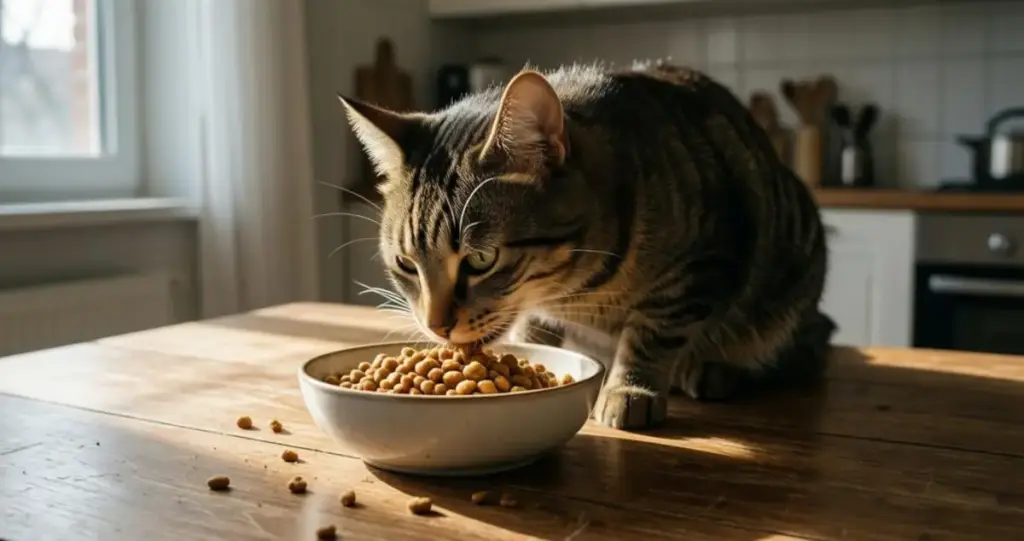
Let’s be real for a second. If you’ve scrolled through Instagram, TikTok, or any pet parent Facebook group lately, you’ve probably seen those colorful silicone mats sitting under cat food bowls. They’re everywhere. Some folks swear by them. Others think they’re a total waste of money.
So here’s the million-dollar question: Are cat feeding mats actually worth it, or are they just another pet product cash grab?
Look, I’ve been working with cats and advising pet parents for over 15 years. I’ve seen every trend come and go—from automatic litter boxes to GPS collars to those weird cat water fountains that look like mini waterfalls. Some are game-changers. Others? Not so much.
Feeding mats land somewhere in the middle. They’re not essential for every cat, but they can seriously improve life for certain households. The trick is knowing whether your situation calls for one.
In this guide, I’m going to break down everything you need to know about cat feeding mats—the good, the bad, and the “meh.” No marketing fluff, no affiliate push. Just honest advice to help you decide if this is a smart buy for your furry friend.
Let’s dive in.
What Exactly Is a Cat Feeding Mat?
The Basics
A cat feeding mat is exactly what it sounds like—a protective pad that goes underneath your cat’s food and water bowls. Think of it like a placemat for your cat’s dining setup.
Common Materials:
- Silicone (most popular)
- Plastic
- Fabric/cotton
- Bamboo or wood
- Waterproof PEVA
Sizes and Shapes:
Feeding mats come in all sorts of configurations. Some are small squares designed for a single bowl. Others are large rectangles that fit both food and water dishes with room to spare. You’ll find round ones, oval ones, and even custom shapes designed to fit specific bowl sets.
What They’re Supposed to Do
Feeding mats aren’t just decorative (though some do look pretty nice). They serve several practical purposes:
| Function | What It Means for You |
|---|---|
| Catch spills | No more wet spots on your hardwood floor |
| Prevent sliding | Bowls stay put even when your cat gets enthusiastic |
| Easy cleanup | Wipe the mat instead of scrubbing the floor |
| Define space | Creates a designated “dining zone” for your cat |
| Extra features | Some have antimicrobial, non-slip, or raised edges |
The Real Benefits of Cat Feeding Mats
Okay, let’s talk about why so many cat parents are buying these things. There are some genuine advantages here.
Keeping Your Place Clean
This is the big one. Cats are… well, cats. They don’t always eat neatly. Some scoop kibble out of the bowl and drop it on the floor. Others dunk their paws in water bowls and track moisture everywhere. A few seem to treat mealtime like a food fight.
How Mats Help:
- Catch stray kibble before it rolls under the couch
- Absorb or contain water splashes
- Make cleanup as simple as a quick wipe-down
- Protect carpets from permanent stains
- Save hardwood floors from water damage
Real Talk: If you have light-colored carpet or expensive hardwood flooring, a feeding mat can be a lifesaver. One cat owner I worked with had water damage repair bills totaling over $500 before she started using mats. That’s a lot of cat treats.
Keeping Bowls Stable
Ever heard that metallic scrape-scrape-scrape sound of a metal bowl being pushed across a tile floor? Yeah. Some cats do that every single meal.
Why Bowls Slide:
- Cats push bowls with their paws while eating
- Whisker fatigue makes them reposition the bowl
- Playful bats at the bowl during or after meals
- Multiple cats bumping into the same feeding area
How Mats Help:
Non-slip mats grip both the floor and the bowl bottom, keeping everything in place. This reduces noise, prevents spills, and means less chasing runaway bowls around the kitchen.
Hygiene and Health Perks
Here’s something a lot of people don’t think about: the floor under your cat’s bowls can get pretty gross.
The Problem:
- Food particles get trapped under bowls
- Moisture creates bacteria breeding grounds
- Floor cleaning chemicals can contaminate bowls
- Dust and debris accumulate in hard-to-reach spots
How Mats Help:
- Create a barrier between bowls and floor
- Most mats are easier to sanitize than flooring
- Some have antimicrobial properties built in
- Makes it obvious when the area needs cleaning
Pro Tip: A clean feeding mat is way better than a dirty floor. But a dirty mat is worse than both—more on that later.
Aesthetic Appeal
Let’s be honest: we all want our homes to look nice. Traditional pet bowls scattered around can clash with your decor.
What Mats Offer:
- Tons of colors to match your style
- Patterns and designs that look intentional
- Creates a cohesive “feeding station” look
- Makes your space feel more organized
Some companies now make feeding mats that actually look like home decor rather than obvious pet products. Think neutral tones, modern patterns, and designs that blend with your kitchen or living room.
Special Features Worth Considering
Not all feeding mats are created equal. Some come with bonus features that might be worth the extra cost:
| Feature | What It Does | Who It’s For |
|---|---|---|
| Slow-feed texture | Built-in ridges slow down eating | Fast eaters, gulpers |
| Heated/insulated | Keeps food warm longer | Senior cats, cold climates |
| Foldable design | Rolls or folds for travel | People who travel with cats |
| Raised edges | Contains liquids better | Messy drinkers, water splashers |
| Antimicrobial coating | Reduces bacteria growth | Health-conscious owners |
The Downsides Nobody Talks About
Now for the part most product reviews skip. Feeding mats aren’t perfect, and they’re not right for every situation.
Cleaning Can Be a Pain
Here’s the irony: you buy a feeding mat to make cleaning easier, but now you have another thing to clean.
The Reality:
- Mats need daily wiping at minimum
- Deep cleaning required weekly (or more)
- Fabric mats need machine washing
- Grooves and textures trap food particles
- Hair sticks to silicone like nobody’s business
The Worst Offenders:
Textured mats designed for slow feeding or with decorative patterns can become gross quickly if not maintained properly. I’ve seen mats that looked clean on the surface but had weeks of food buildup in the crevices.
Material Safety Concerns
Not all mats are made with pet safety in mind. Some cheaper options use materials that could potentially harm your cat.
Red Flags to Watch For:
| Material Issue | Potential Risk |
|---|---|
| BPA-containing plastics | Hormone disruption |
| Unknown coatings | Chemical leaching into food/water |
| Poor quality silicone | May contain fillers or toxins |
| Painted designs | Paint can chip and be ingested |
| Strong chemical smell | Off-gassing of volatile compounds |
What to Look For Instead:
- Food-grade silicone (often labeled as such)
- BPA-free certification
- Non-toxic materials
- Reputable brand with safety testing
- No strong odor when new
Not Every Cat Will Cooperate
Some cats simply won’t have anything to do with feeding mats. They might:
- Refuse to eat on the mat at all
- Push the mat around instead of the bowl
- Scratch or chew at the mat edges
- Get spooked by the texture or smell
Why This Happens:
- New texture feels weird under their paws
- Smell of new material is off-putting
- Mat moves when they step on it
- Past negative experience with similar items
The Fix: Sometimes cats just need time to adjust. Other times, you need to try a different mat or skip it entirely.
The Cost Factor
Let’s talk money. Feeding mats range from about $5 for basic plastic versions to $50+ for premium silicone or designer options.
Is It Worth It?
| Budget | What You Get | Verdict |
|---|---|---|
| $5-15 | Basic function, questionable durability | Okay for temporary use |
| $15-30 | Good quality, reliable materials | Sweet spot for most owners |
| $30+ | Premium features, brand name | Only if you want extras |
Honest Advice: You don’t need to spend a fortune. A mid-range silicone mat from a reputable brand will serve most cat parents well. Save your money for good food and regular vet visits instead.
Material Breakdown: Which Type Is Right for You?
Not all feeding mats are created equal. Here’s what you need to know about the most common options.
Silicone Mats ⭐⭐⭐⭐⭐
The Good:
- Completely waterproof
- Super easy to clean (dishwasher safe, usually)
- Non-slip on most surfaces
- Durable and long-lasting
- Available in tons of colors
The Not-So-Good:
- Cat hair sticks like crazy
- Can be slippery on some floor types
- Mid-range pricing
Best For: Most households, especially those with water spills or messy eaters
Top Pick: Food-grade silicone with raised edges
Plastic Mats ⭐⭐⭐
The Good:
- Budget-friendly
- Lightweight and portable
- Easy to wipe clean
The Not-So-Good:
- May contain BPA or other chemicals
- Scratches easily (harbors bacteria)
- Less eco-friendly
- Can crack over time
Best For: Temporary use, budget-conscious owners, dry food only
Watch Out For: Strong plastic smell, flimsy construction
Fabric/Cotton Mats ⭐⭐
The Good:
- Soft and comfortable
- Machine washable
- Looks homey and decorative
- Quiet (no sliding sounds)
The Not-So-Good:
- Absorbs water (can get gross)
- Needs frequent washing
- Can develop odors
- Not ideal for wet food or water bowls
Best For: Dry food only, diligent cleaners, aesthetic-focused homes
Maintenance: Wash at least weekly, preferably more often
Bamboo/Wood Mats ⭐⭐
The Good:
- Natural, eco-friendly material
- Looks great in modern homes
- Sturdy and stable
The Not-So-Good:
- Not waterproof (can warp or mold)
- Harder to sanitize properly
- Usually more expensive
- Heavy and not portable
Best For: Dry food, decorative purposes, low-mess cats
Care Tip: Wipe with damp cloth only, never soak
Waterproof PEVA Mats ⭐⭐⭐
The Good:
- Completely waterproof
- Very affordable
- Lightweight
The Not-So-Good:
- Less durable than silicone
- May contain chemicals
- Can develop tears over time
- Less stable on floors
Best For: Temporary use, multi-cat households, travel
Note: PEVA is generally safer than PVC, but still check for certifications
How to Choose the Right Feeding Mat for Your Cat
Ready to buy? Here’s how to make sure you pick the right one.
Size Matters
Measure First:
- Place your cat’s bowls where they normally sit
- Measure the total area they occupy
- Add 2-4 inches on each side for spill coverage
- Consider future bowl upgrades
General Guidelines:
| Cat Situation | Recommended Size |
|---|---|
| Single bowl | 12″ x 12″ minimum |
| Food + water | 18″ x 12″ minimum |
| Multiple cats | 24″ x 18″ or larger |
| Extra messy | Go bigger than you think |
Pro Tip: Bigger is usually better. You can always use part of a large mat, but you can’t expand a small one.
Match Material to Your Cat’s Habits
| Your Cat’s Behavior | Best Material |
|---|---|
| Splashes water everywhere | Silicone with raised edges |
| Chews on everything | Food-grade silicone |
| Senior with joint issues | Soft, non-slip surface |
| Multiple cats in household | Large or divided mat |
| Known allergies | Antimicrobial coating |
Features Worth Paying For
Yes, Worth It:
- Non-slip bottom
- Raised edges (for liquid containment)
- Dishwasher safe
- Food-grade materials
Maybe, Depending on Needs:
- Slow-feed texture
- Decorative designs
- Foldable/portable
- Brand name
Skip It:
- Unnecessary electronics
- Overly complex designs
- Unverified “premium” claims
Budget Smart
What to Expect:
| Price Range | Quality Level | Recommendation |
|---|---|---|
| Under $10 | Basic, may not last | Temporary solution only |
| $10-25 | Good quality, reliable | Best value for most |
| $25-40 | Premium features | If you want extras |
| $40+ | Luxury/designer | Usually not necessary |
Money-Saving Tip: Wait for sales. Pet supply stores often discount feeding mats during major shopping events.
Using Feeding Mats: Do’s and Don’ts
Once you’ve got your mat, use it properly to get the most benefit.
Cleaning and Maintenance
Daily:
- Wipe off food particles
- Check for wet spots
- Quick rinse if needed
Weekly:
- Deep clean with pet-safe soap
- Sanitize according to material type
- Check for damage or wear
Monthly:
- Inspect for cracks or deterioration
- Replace if showing significant wear
- Evaluate if it’s still meeting your needs
Cleaning by Material:
| Material | Cleaning Method |
|---|---|
| Silicone | Dishwasher or soap and water |
| Plastic | Soap and water, avoid abrasives |
| Fabric | Machine wash, air dry |
| Bamboo | Damp cloth only, dry immediately |
| PEVA | Soap and water, air dry |
Safety Guidelines
Do:
- Choose food-grade materials
- Check for damage regularly
- Watch for chewing behavior
- Replace when worn
Don’t:
- Use mats with peeling coatings
- Ignore strong chemical smells
- Let damage go unaddressed
- Use human placemats not rated for pets
Placement Tips
Good Locations:
- Quiet, low-traffic area
- Easy for you to access and clean
- Well-ventilated space
- Away from litter box (obviously)
Bad Locations:
- Direct sunlight (causes material degradation)
- High humidity areas (promotes mold)
- Near heating vents (can warp materials)
- Difficult to reach spots (you won’t clean it)
Multi-Cat Household Considerations
If you’ve got more than one cat, feeding mats require extra thought:
Best Practices:
- Individual mats for each cat (reduces competition)
- Adequate spacing between feeding stations
- Different colors to track which cat uses which
- Monitor each cat’s eating habits separately
Watch For:
- One cat dominating another’s space
- Food stealing between stations
- Increased stress during mealtimes
- One mat getting significantly dirtier than others
Alternatives to Feeding Mats
Feeding mats aren’t your only option. Here’s how they compare to other solutions.
Elevated Feeding Stations
What They Are: Raised platforms that hold bowls at a higher position.
Pros:
- Better for cat’s posture and digestion
- Reduces spillage onto floor
- Looks sleek and modern
- Good for senior cats with joint issues
Cons:
- More expensive than mats
- Takes up more space
- Harder to move around
- Still needs cleaning underneath
Best For: Senior cats, cats with arthritis, owners wanting a furniture-like look
Price Range: $25-80
All-in-One Feeding Stations
What They Are: Integrated units that include bowls, mat, and sometimes storage.
Pros:
- Everything in one coordinated piece
- Very easy to clean
- Looks intentional and organized
- Often includes extra features
Cons:
- Most expensive option
- Fixed location (not portable)
- If one part breaks, whole unit may need replacing
- Limited customization
Best For: Dedicated feeding areas, owners prioritizing aesthetics
Price Range: $40-150+
Just the Floor (No Mat)
What It Is: Bowls directly on the floor, no protection.
Pros:
- Zero cost
- Nothing extra to clean
- Minimal setup
- No material safety concerns
Cons:
- Floors get dirty quickly
- Bowls slide around
- Harder to contain spills
- May damage flooring over time
Best For: Budget-conscious owners, very neat eaters, easy-to-clean flooring
Price Range: $0
Comparison at a Glance
| Solution | Cost | Easy to Clean | Protection Level | Overall Rating |
|---|---|---|---|---|
| Feeding Mat | $-$$ | High | Medium-High | ⭐⭐⭐⭐ |
| Elevated Station | $$-$$$ | Medium | High | ⭐⭐⭐⭐ |
| All-in-One | $$$ | High | High | ⭐⭐⭐ |
| Floor Only | $0 | Low | Low | ⭐⭐ |
Frequently Asked Questions
Q: What size feeding mat do I need?
A: Measure your bowl setup and add 2-4 inches on each side. For most single-cat households with food and water bowls, an 18″ x 12″ mat works well. Multi-cat homes should go bigger—24″ x 18″ or larger.
Q: Silicone or plastic—which is better?
A: Silicone wins for most situations. It’s more durable, easier to clean, and generally safer. Plastic is okay for budget options or temporary use, but invest in BPA-free if you go that route.
Q: How often should I replace my feeding mat?
A: With proper care, a good silicone mat should last 1-2 years. Replace sooner if you notice cracks, persistent odors, discoloration that won’t clean, or if your cat starts chewing on it.
Q: Can I use a human placemat instead?
A: You can, but it’s not recommended. Human placemats aren’t tested for pet safety and may contain materials or coatings that aren’t food-safe. Pet-specific mats are worth the small price difference.
Q: How many mats do I need for multiple cats?
A: Ideally, one per cat. This reduces competition, makes it easier to monitor individual eating habits, and prevents one cat from guarding the feeding area. If space is limited, one large mat with clearly separated zones can work.
Q: Can feeding mats go in the dishwasher?
A: Many silicone mats are dishwasher-safe (check the product description). Plastic mats vary—some are, some aren’t. Fabric and bamboo mats should never go in the dishwasher. When in doubt, hand wash.
Q: My cat refuses to eat on the mat. What do I do?
A: Give it time—some cats need a few days to adjust. Try placing their regular bowl on the mat without forcing interaction. If they still refuse after a week, the mat may not be right for your cat. Try a different material or skip it entirely.
Q: Do feeding mats prevent ants?
A: Some mats claim ant protection, but results vary. Mats with raised edges can help contain spills that attract ants. For serious ant problems, you’ll need additional pest control measures. Some owners use mats with a thin layer of food-grade diatomaceous earth around (not on) the mat.
Q: Are expensive mats worth it?
A: Not necessarily. A $20-30 silicone mat from a reputable brand will serve most cat parents well. You’re paying for brand name and extra features beyond that point. Spend your money on quality food and regular vet care instead.
Q: Can feeding mats help with messy eaters?
A: Yes, but with limits. Mats catch spills and make cleanup easier, but they won’t change your cat’s eating behavior. For seriously messy cats, consider elevated bowls or walls/edges on the mat to contain the mess better.
The Bottom Line
So, are feeding mats good for cats? Here’s my honest take after 15 years in this business:
They’re worth it IF:
- Your cat is messy with food or water
- You have flooring that needs protection (hardwood, carpet)
- You want easier cleanup
- You have multiple cats and want defined feeding zones
- Bowls slide around during meals
You can skip them IF:
- Your cat eats neatly with no spills
- You have easy-to-clean flooring (tile, vinyl)
- You’re on a tight budget
- Your cat refuses to use one after trying
My Recommendation:
For most cat parents, a mid-range silicone feeding mat ($15-30) is a smart purchase. It’s not life-changing, but it makes daily life a bit easier and protects your floors. Just remember: a clean mat beats a fancy mat every time. Whatever you buy, commit to keeping it clean.
At the end of the day, your cat doesn’t care about the mat. They care about good food, fresh water, and feeling safe. The mat is for you—to make your life easier and your home cleaner. If it does that, it’s worth it. If not, don’t stress about it.
Your cat is lucky to have someone who cares enough to research this stuff. That matters way more than any feeding mat ever could.
Disclaimer: This article provides general information based on current pet care best practices. It does not replace professional veterinary advice. Always consult your veterinarian regarding your individual cat’s health and feeding needs.
About This Guide: This resource was developed based on veterinary research, feline behavior studies, and practical experience with cat care management. For personalized recommendations, please consult with your veterinary care provider.
Feeding mats you may like:
-
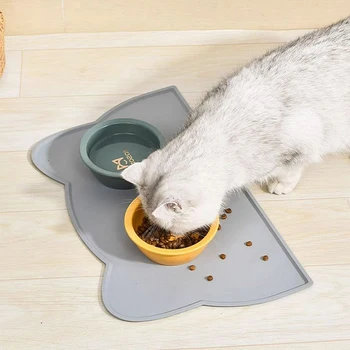 Feeding Mats
pet place mats easy to clean anti-slip
Price range: $14.49 through $14.56ClearBlue(1pc)Dark gray(1pc)Light gray(1pc)Pink(1pc)Wine red(1pc) -
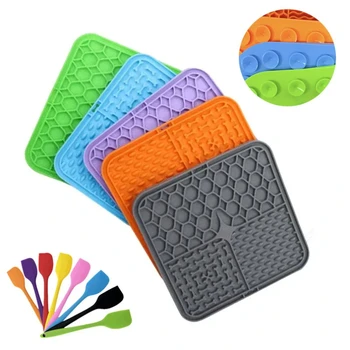 Feeding Mats
Cat Slow Feeding Mat Dog Lick Mats
Price range: $8.38 through $8.50ClearBlack scraperBlueGreengreyorangePurple -
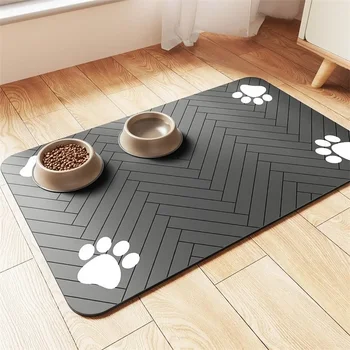 Feeding Mats
Pet Feeding Mat Waterproof Quick Dry
Price range: $9.55 through $9.6020x30cmClear1234