Last Updated on February 23, 2026 by Zara Zenith
Introduction
As a veterinary health consultant with over 15 years of experience in canine care, one of the most frequently asked questions I encounter is: “Should I give my dog water during or immediately after exercise?” This question stems from a widespread myth that has circulated among pet owners for generations – the belief that drinking water after exercise can cause serious health problems, sometimes dramatically described as “lung explosion.”
Let me be clear from the outset: This is a dangerous misconception. The truth is far more nuanced. It’s not about avoiding water altogether; it’s about understanding when, how much, and in what manner your dog should hydrate during and after physical activity.
Proper hydration is critical for your dog’s health, performance, and safety. In this comprehensive guide, I’ll share evidence-based information to help you make informed decisions about your canine companion’s hydration needs during exercise.
Why Dogs Need Hydration After Exercise
Water Loss During Exercise
Dogs lose significant amounts of water during physical activity through several mechanisms:
Respiratory Evaporation: Unlike humans who sweat through their skin, dogs primarily regulate body temperature through panting. During exercise, their breathing rate can increase from a normal 30-40 breaths per minute to over 200 breaths per minute. This accelerated breathing causes substantial moisture evaporation from the respiratory tract.
Tongue-Based Heat Dissipation: A dog’s tongue serves as a primary cooling mechanism. As blood vessels in the tongue dilate and moisture evaporates from the tongue surface, heat is released. This process, while effective for temperature regulation, results in considerable water loss.
Thermoregulation Requirements: Water is essential for maintaining proper body temperature. During exercise, a dog’s core temperature can rise significantly, and adequate hydration ensures the body can continue cooling itself effectively.
Dangers of Dehydration
The consequences of inadequate hydration extend far beyond simple thirst:
Impaired Temperature Regulation: Dehydrated dogs cannot cool themselves efficiently, dramatically increasing the risk of heatstroke – a potentially fatal condition.
Reduced Physical Performance: Even mild dehydration (2-3% body weight loss) can significantly decrease endurance, strength, and coordination.
Organ Damage: Severe dehydration can lead to kidney damage, electrolyte imbalances, and in extreme cases, multi-organ failure.
Delayed Recovery: Proper hydration is essential for muscle recovery and overall post-exercise restoration.
Risks of Drinking Large Amounts Immediately After Exercise
While hydration is essential, the timing and volume of water intake matter significantly.
Gastric Dilatation-Volvulus (GDV)
GDV, commonly known as “bloat,” is one of the most serious concerns associated with improper post-exercise hydration:
What Is GDV? This life-threatening condition occurs when a dog’s stomach fills with gas, food, or fluid and then twists on itself. This twisting cuts off blood supply to the stomach and other organs, requiring immediate emergency surgery.
Mortality Rate: Even with prompt veterinary treatment, GDV has a mortality rate of 30-50%. Without treatment, it is almost always fatal within hours.
High-Risk Breeds: Large and deep-chested breeds are particularly susceptible, including:
- Great Danes
- German Shepherds
- Standard Poodles
- Doberman Pinschers
- Irish Setters
- Weimaraners
Exercise Connection: Vigorous exercise followed by rapid consumption of large water volumes is a recognized risk factor for GDV.
Other Potential Risks
Gastric Distress: Sudden stomach expansion from rapid water intake can cause discomfort, cramping, and vomiting.
Electrolyte Imbalance: Drinking excessive plain water without electrolyte replacement can dilute blood sodium levels, potentially leading to water intoxication.
Aspiration Risk: Dogs that drink too quickly while still panting heavily may inhale water into their lungs.
Proper Hydration Timing and Methods
Hydration During Exercise
For exercise sessions exceeding 15 minutes, proactive hydration is recommended:
Frequency: Offer water every 10-15 minutes during rest breaks.
Volume: Small amounts only – enough to moisten the mouth and throat, not fill the stomach.
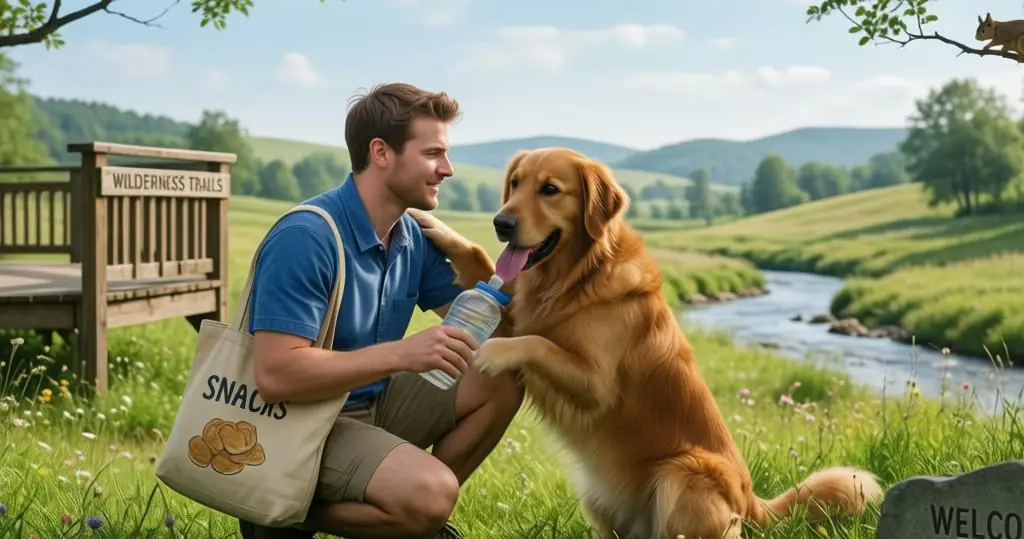
Equipment: Invest in quality portable hydration tools:
- Portable pet water bottles with built-in bowls
- Collapsible silicone water bowls
- Hydration packs designed for dogs
Technique: Allow your dog to lap water slowly rather than gulping. If they’re drinking too fast, remove the water source briefly and offer again.
Post-Exercise Hydration Steps
Follow this four-step protocol after any significant exercise session:
Step 1: Cool-Down Period (5-10 minutes) Walk your dog at a slow pace to gradually reduce heart rate and breathing. This transition period is crucial for preparing the body for hydration.
Step 2: Temperature Check Feel your dog’s ears, paws, and gums. They should feel warm but not hot. If your dog feels excessively hot, focus on cooling before offering water.
Step 3: Gradual Water Introduction Offer small amounts (2-4 ounces for medium dogs) of room-temperature water. Wait 5 minutes, then offer more if your dog is still thirsty.
Step 4: Observation Watch for signs of discomfort, bloating, or continued excessive panting. Normal breathing should resume within 15-20 minutes post-exercise.
Water Intake Reference
Daily Baseline: Dogs typically need 50-60 ml of water per kilogram of body weight daily.
Exercise Addition: Add approximately 100-200 ml per 30 minutes of moderate exercise, adjusted for temperature and intensity.
Distribution: Never allow more than 20% of daily water intake to be consumed in a single session.
Hydration Strategies for Different Exercise Scenarios
Daily Walks (Within 30 Minutes)
For routine neighborhood walks:
- Mid-walk hydration typically unnecessary
- Ensure fresh water is available at home
- Monitor for excessive panting upon return
Long-Distance Hiking/Running
For extended outdoor activities:
- Carry minimum 500ml water per hour of activity
- Plan rest stops every 20-30 minutes
- Seek shaded areas for breaks
- Consider terrain and elevation impacts on exertion
Exercise in Hot Weather
Temperature significantly affects hydration needs:
Temperature Guidelines:
- Below 20°C (68°F): Normal hydration protocols
- 20-25°C (68-77°F): Increase water availability by 25%
- Above 25°C (77°F): Consider postponing exercise or significantly reducing intensity
Additional Precautions:
- Avoid exercise between 10 AM and 4 PM
- Walk on grass rather than hot pavement
- Watch for hot surface temperatures (if you can’t hold your hand on it for 5 seconds, it’s too hot for paws)
Competitive/High-Intensity Training
For working dogs, agility competitors, or athletic breeds:
- Develop a written hydration plan with your veterinarian
- Monitor weight before and after training sessions
- Consider professional-grade electrolyte supplements
- Keep detailed training and hydration logs
Hydration Precautions and Contraindications
Water Temperature Selection
Optimal Range: 15-25°C (59-77°F)
Why Temperature Matters:
- Ice-cold water can cause stomach cramping and shock
- Warm water may not be appealing and doesn’t aid cooling
- Room temperature water is absorbed most efficiently
Beverage Selection
Safe Options:
- Fresh, clean tap or filtered water
- Veterinary-approved pet electrolyte solutions
- Low-sodium chicken or beef broth (occasionally, as treat)
Avoid:
- Human sports drinks (excessive sodium, artificial sweeteners)
- Caffeinated beverages
- Dairy products
- Any liquid containing xylitol (toxic to dogs)
Special Circumstances
Medical Conditions: Dogs with kidney disease, heart conditions, or diabetes require customized hydration plans from their veterinarian.
Age Considerations:
- Puppies: Smaller stomach capacity, more frequent small offerings
- Senior Dogs: May have reduced thirst sensation, require monitoring
GDV History: Dogs with previous bloat episodes need strict hydration protocols and possibly preventive surgery (gastropexy).
Recognizing Signs of Dehydration and Overheating
Dehydration Signs
Perform these simple checks:
Gum Test: Healthy gums should be moist and pink. Dry, sticky, or pale gums indicate dehydration.
Skin Elasticity Test: Gently pinch the skin between the shoulder blades. It should snap back immediately. Slow return indicates dehydration.
Eye Appearance: Sunken or dull-looking eyes suggest moderate to severe dehydration.
Capillary Refill Time: Press on the gum until it turns white, then release. Color should return within 2 seconds.
Overheating/Heatstroke Signals
Early Warning Signs:
- Excessive panting beyond normal recovery
- Drooling more than usual
- Restlessness or agitation
- Bright red tongue and gums
Emergency Signs (Seek Immediate Veterinary Care):
- Purple or blue tongue
- Vomiting or diarrhea
- Collapse or inability to stand
- Confusion or unresponsiveness
- Body temperature above 41°C (106°F)
When to Seek Veterinary Care
Contact your veterinarian immediately if:
- Hydration doesn’t improve condition within 30 minutes
- Your dog shows signs of GDV (distended abdomen, unproductive vomiting)
- Heatstroke symptoms are present
- Your dog loses consciousness
Practical Tools and Equipment Recommendations
Based on years of professional experience, here are my top recommendations:
Portable Water Bottles:
- Ruffwear Quencher
- Kurgo Gourd
- Petmate Travel Water Bottle
Collapsible Bowls:
- Comsmart Collapsible Dog Bowl
- Sea to Summit X-Bowl
- Topeakaba Silicone Bowl
Cooling Equipment:
- Ruffwear Swamp Cooler Vest
- K9 Cool Coat
- Cooling mats for rest stops
Monitoring Tools:
- Digital pet thermometer
- GPS/activity tracker with health monitoring
- Hydration log app or notebook
Frequently Asked Questions (FAQ)
Q: How long after exercise can my dog drink water normally?
A: After a proper 5-10 minute cool-down, most dogs can resume normal drinking. However, continue to monitor and encourage gradual intake rather than allowing gulping for the first 30 minutes.
Q: Does summer exercise require special hydration?
A: Absolutely. Summer exercise requires increased vigilance, more frequent water breaks, and potentially adjusted exercise timing. Consider early morning or evening walks during hot months.
Q: Is there a difference in hydration for puppies and senior dogs?
A: Yes. Puppies have smaller stomach capacity and higher metabolic rates, requiring more frequent smaller offerings. Senior dogs may have diminished thirst responses and underlying health conditions requiring veterinary guidance.
Q: Can I give my dog human electrolyte drinks?
A: Generally no. Human sports drinks contain excessive sodium and may include ingredients toxic to dogs (like xylitol in some flavored varieties). Use only veterinary-approved pet electrolyte solutions.
Q: How do I know if my dog is drinking enough?
A: Monitor urine output (should be pale yellow), check gum moisture daily, and track water consumption. A sudden increase or decrease in drinking warrants veterinary attention.
Conclusion
Proper hydration during and after exercise is not optional – it’s a fundamental aspect of responsible dog ownership. The key takeaways from this guide are:
- Water is essential – Never restrict water to the point of dehydration
- Timing matters – Allow cool-down before offering significant water
- Volume control – Small, frequent offerings are safer than large amounts
- Know your dog – Breed, age, health status, and individual needs vary
- Watch for warning signs – Early recognition of problems saves lives
As a veterinary professional, I cannot emphasize enough the importance of developing a hydration plan tailored to your specific dog. What works for a young Labrador may not be appropriate for an aging Bulldog.
Regular veterinary check-ups provide opportunities to discuss your dog’s exercise and hydration needs. Don’t wait for problems to arise – proactive care is always better than emergency treatment.
Your dog depends on you to make informed decisions about their health. Armed with the knowledge from this guide, you’re now better equipped to keep your canine companion safe, hydrated, and happy during all your adventures together.
Disclaimer: This article provides general information and should not replace professional veterinary advice. Always consult with your veterinarian regarding your individual dog’s health needs.
About the Author: This guide was compiled based on current veterinary best practices and extensive experience in canine health management. For personalized advice, please consult your licensed veterinarian.
Water Bottles you may like:
-
-
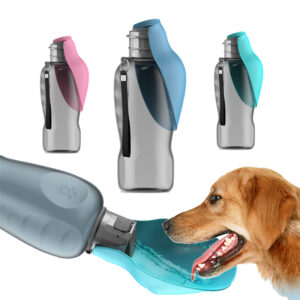 Water Bottles
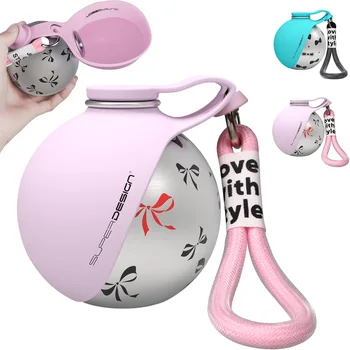
Dogs Water Bottle Portable
Price range: $13.64 through $16.42ClearPink leaf styleBlue Grey Leaf StyleGreen basicHulan Leaf stylePink BasicWhite Basic -
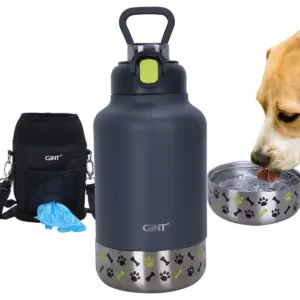 Water Bottles
GiNT 37oz Insulated Stainless Steel Dog & Human Water Bottle
$29.80ClearBlueDark GrayGreenWhite