Introduction
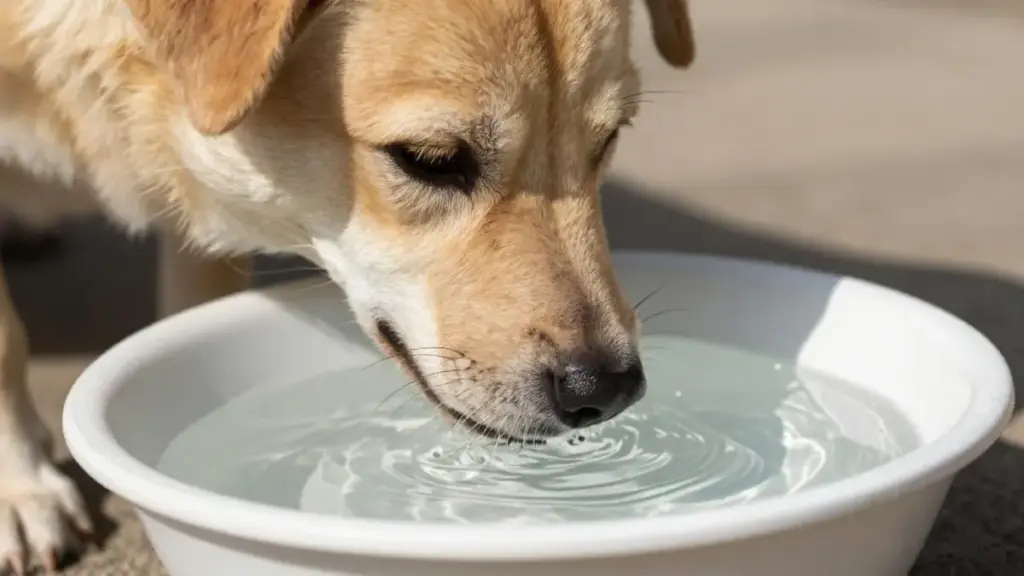
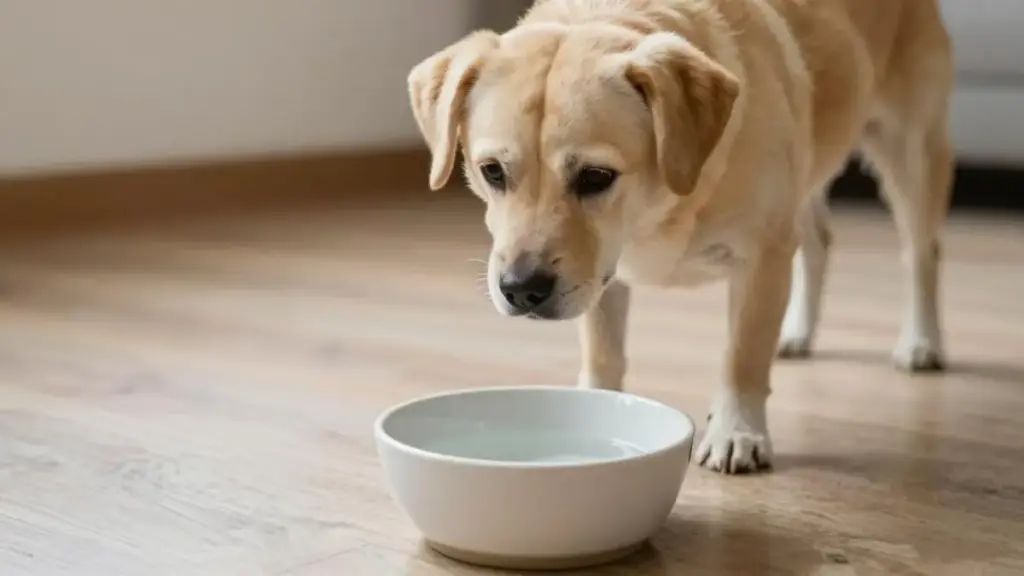
If you’ve ever found yourself staring at a full water bowl while your dog walks away without taking a sip, you know that sinking feeling in your stomach. As a veterinary health consultant with over 15 years of experience, I can tell you this is one of the most common—and most worrying—calls I get from pet parents.
Here’s the truth: A dog refusing water isn’t just picky behavior. It’s a potential emergency.
Dogs can become severely dehydrated within 24-48 hours. Left untreated, dehydration can lead to organ failure and even death. But before you panic, know this: not every case requires a midnight trip to the emergency vet. Sometimes it’s as simple as moving the water bowl to a quieter spot.
In this guide, I’ll walk you through exactly what to do when your dog won’t drink—how to spot dehydration at home, what actually works to get them hydrated, and when you absolutely need to call the vet. No fluff, no scare tactics, just practical advice from someone who’s been there.
Let’s get your pup feeling better.
Why Is Your Dog Refusing to Drink?
Dogs don’t just decide to stop drinking for no reason. There’s always something behind it—whether that’s a health issue, something in their environment, or a behavioral quirk. Figuring out the “why” is your first step to fixing the problem.
Health-Related Causes
Medical issues top the list when a dog suddenly loses interest in water. If the change came on quickly or your dog seems “off” in other ways, health problems should be your first concern.
Mouth and Dental Problems:
- Broken or abscessed teeth
- Gum disease or gingivitis
- Mouth sores or ulcers
- Something stuck in their mouth or throat
- Oral tumors or growths
Stomach and Digestive Issues:
- Nausea (from any cause)
- Vomiting or diarrhea
- Stomach inflammation
- Pancreatitis
- Blockages from swallowed objects
Whole-Body Diseases:
- Kidney problems or failure
- Liver disease
- Diabetes
- Infections with fever
- Respiratory infections (stuffy nose makes drinking hard)
Pain and Recovery:
- Recent surgery
- Injuries or trauma
- Arthritis making it painful to reach the bowl
- Just feeling lousy from illness
Environment and Behavior Issues
Sometimes it’s not medical at all—it’s about where, how, or what they’re drinking from.
Water Bowl Problems:
- Too close to their food bowl (some dogs want separation)
- In a noisy or busy part of the house
- Bowl is too deep or too shallow
- Dirty or smelly bowl
Water Quality:
- Strong chlorine or mineral taste from tap water
- Water’s too cold or too warm
- Old, stale water that hasn’t been changed
- New water source (moving, traveling, new filter)
Bowl Material:
- Metal bowls that reflect light or clang around
- Plastic bowls that hold odors
- Some dogs just prefer ceramic or glass
Stress and Anxiety:
- Recently moved to a new home
- New family members (two-legged or four-legged)
- Changes in daily routine
- Loud noises, construction, or visitors
- Separation anxiety
Food Changes:
- Switching from wet to dry food
- New food brand or formula
- Eating more treats, less interested in water
Age Matters
Where your dog is in life makes a real difference in drinking habits.
Puppies:
- Still learning consistent drinking habits
- Get too distracted by play to remember to drink
- Need more guidance on independent hydration
Senior Dogs:
- Don’t feel thirst as strongly (common with aging)
- Memory or confusion affecting routines
- Can’t move easily to reach water
- Age-related diseases affecting appetite and thirst
Dogs with Disabilities:
- Trouble standing or walking to water
- Vision or hearing problems
- Neurological conditions affecting swallowing
How to Tell If Your Dog Is Dehydrated
Catching dehydration early can mean the difference between a quick fix at home and an expensive emergency vet visit. Here’s how to check your dog’s hydration status yourself.
Quick At-Home Tests
| Test | What’s Normal | What’s Worrisome |
|---|---|---|
| Gum Check | Wet, pink, slippery | Dry, sticky, pale or white |
| Skin Pinch Test | Snaps back right away | Returns slowly or stays pinched |
| Capillary Refill | Color returns in 1-2 seconds | Takes longer than 2 seconds |
| Eyes | Bright, full, alert | Sunken, dull, dry-looking |
| Urine | Light yellow | Dark yellow or amber |
| Nose | Cool, slightly moist | Dry or cracked (not always reliable) |
How to Do These Tests
Gum Check:
Lift your dog’s lip and press your finger on the gum. It should feel wet and slick. Dry or sticky means dehydration.
Skin Pinch Test:
Gently pinch the skin between the shoulder blades and lift. Let go and watch. Healthy dogs? Skin snaps back instantly. Dehydrated dogs? It creeps back slowly or stays tented.
Capillary Refill:
Press on the gum until it turns white, then release. Count the seconds until pink returns. Normal is 1-2 seconds. Longer means poor circulation from dehydration.
Dehydration Levels: What You’re Looking At
Mild (About 5% body weight):
- Slightly dry gums
- A bit less energetic than usual
- Slightly less pee than normal
- What to do: Try home hydration, watch closely
Moderate (6-9% body weight):
- Clearly dry, sticky gums
- Skin doesn’t snap back well
- Less urine, darker color
- Seems tired or weak
- What to do: Call your vet—may need medical help
Severe (10%+ body weight):
- Very dry or pale gums
- Skin stays pinched
- Eyes look sunken
- Fast heartbeat
- Weak or collapsing
- Paws and ears feel cold
- What to do: Emergency vet. Now.
When to Head to the Vet Immediately
Don’t wait around if you see any of these:
- No water for more than 24 hours
- Vomiting or diarrhea along with not drinking
- Can barely stand or won’t move
- Gums are white, blue, or purple
- Seems confused or passes out
- Shows signs of pain
- Puppies or seniors with any dehydration signs
- Dogs with existing health problems (kidney disease, diabetes, etc.)
Ways to Get Your Dog to Drink (That Actually Work)
Once you’ve ruled out an emergency, try these proven techniques to encourage hydration.
Fix the Water Setup
Water Quality:
- Use filtered or bottled water if tap water tastes strong
- Keep it room temperature (not ice cold or warm)
- Change water at least twice a day
- Wash the bowl every single day
Bowl Material:
- Try different types: ceramic, stainless steel, glass
- Many dogs prefer ceramic (no glare, no taste)
- Skip plastic (holds odors and bacteria)
- Consider heavy bowls for dogs that tip things over
Where You Put the Bowl:
- Move it somewhere quiet and calm
- Keep water separate from food (some dogs prefer it)
- Put out multiple bowls around the house
- Make sure it’s easy to reach (especially for older dogs)
- Keep away from litter boxes or cleaning supplies
Make Water More Interesting
Add Some Flavor:
- A splash of low-sodium chicken or beef broth (no onion or garlic)
- Pet-specific electrolyte solutions
- A bit of water from canned tuna or chicken (no salt added)
- Mix in a spoonful of wet food
Try Different Temperatures:
- Some dogs like cool water
- Others prefer room temp
- Toss in a few ice cubes (lots of dogs love chasing ice)
Get It Moving:
- Get a pet water fountain (flowing water draws dogs in)
- Stir the water before offering
- Some dogs love dripping faucets (watch them closely)
Build Positive Vibes:
- Praise your dog when they drink
- Offer water after play when they’re naturally thirsty
- Drink alongside them (some dogs copy you)
- Use treats as rewards
Hydrate Through Food
When they won’t drink directly, food can pick up the slack.
Go Wet:
- Canned dog food is 70-80% water
- Transition slowly if switching from dry
- Can mix with kibble during the changeover
Soak Their Kibble:
- Add warm water to dry food for 10-15 minutes
- Makes a gravy lots of dogs love
- Start with a little water, add more over time
Water-Rich Treats:
- Watermelon (no seeds, in moderation)
- Cucumber slices
- Zucchini pieces
- Plain pumpkin puree (not pie filling)
- Commercial hydrating treats
DIY Hydration Boosters:
- Freeze low-sodium broth into ice cubes
- Make “pupsicles” with broth and small food bits
- Create meat-based water toppers
Work With Their Behavior
Timing:
- Offer water after exercise or play sessions
- Stick to consistent times each day
- First thing in the morning
- Right before bed
Make It Fun:
- Turn drinking into a game (some dogs love water play)
- Try puzzle toys that dispense water
- Build good feelings around water time
Don’t Do This:
- Don’t force water into their mouth (creates bad associations)
- Don’t show frustration (they pick up on your stress)
- Don’t hover over the bowl (adds pressure)
- Don’t punish them for not drinking (makes it worse)
Solutions for Specific Situations
Different dogs need different approaches. Here’s how to handle common scenarios.
Puppies Who Won’t Drink
Little dogs dehydrate fast. They need extra attention.
What to Do:
- Use shallow bowls they can reach easily
- Make sure water isn’t too cold (puppies are sensitive)
- Check on them every 2-3 hours
- Try syringe feeding (no needle) for small amounts
- Add more wet food to their diet
Red Flags—Call the Vet:
- No drinking for 12+ hours (puppies go downhill fast)
- Seems weak or tired
- Vomiting or diarrhea
- Sunken eyes or dry gums
- Won’t eat
Senior Dogs Who Won’t Drink
Older dogs have their own set of challenges.
Common Problems:
- Arthritis makes reaching bowls painful
- Confusion or memory issues affecting routines
- Don’t feel thirst as strongly
- Dental pain when drinking
- Hidden diseases (kidney, heart, diabetes)
What Helps:
- Raise bowls to reduce neck strain
- Put bowls in multiple easy-to-reach spots
- Use non-slip mats under bowls
- Keep up with vet check-ups
- Review medications that might affect thirst
After Illness or Surgery
Recovery often comes with reduced drinking.
Best Practices:
- Follow your vet’s hydration instructions exactly
- Small amounts often work better than big servings
- Weigh them daily if possible
- Track how much they pee
- Be patient—thirst comes back gradually
Medical Support:
- May need subcutaneous fluids at home
- Prescription electrolyte solutions
- Appetite stimulants if your vet recommends
- Pain meds to improve comfort
Travel and Big Changes
New places can throw off drinking habits.
Before You Go:
- Pack your dog’s regular water bowl
- Bring some water from home for the transition
- Keep feeding and watering times consistent
- Give them time to adjust to new water
- Bring portable bottles for trips
On the Road:
- Offer water at every stop (every 2-3 hours)
- Never leave them in the car without water
- Watch for carsickness affecting hydration
- Keep water cool but not freezing
When Your Vet Needs to Step In
Sometimes home efforts just aren’t enough. Here’s when and how vets intervene.
When You Must See a Vet
Get professional help right away if:
- Home methods don’t work after 24 hours
- Moderate to severe dehydration signs show up
- Your dog has existing health conditions
- They’re very young, old, or have weak immunity
- Other symptoms are present (vomiting, diarrhea, fever)
- They can’t keep water down
How Vets Rehydrate Dogs
| Method | When It’s Used | What Happens |
|---|---|---|
| Oral Rehydration | Mild dehydration | Pet electrolyte solutions by mouth |
| Subcutaneous Fluids | Moderate dehydration | Fluids under the skin, absorbed slowly |
| IV Fluids | Severe dehydration | Direct to vein, fast rehydration, hospital stay |
| Nasogastric Tube | Can’t drink on their own | Tube through nose to stomach |
| Feeding Tube | Long-term support | Surgical tube for extended care |
Subcutaneous Fluids at Home (With Vet Training)
Some vets teach owners to give fluids at home for chronic conditions.
What You Need to Know:
- Only do this with proper vet training
- Use only vet-prescribed fluids
- Follow dosage and timing exactly
- Learn the right injection technique
- Know what complications look like
The Basic Process:
- Your vet shows you how to do it
- You practice while they watch
- They prescribe fluids for home use
- Regular check-ins to track progress
- You get emergency contact info
Warning Signs:
- Swelling that doesn’t go down
- Redness or pain at the injection site
- Your dog seems uncomfortable
- Fluid leaking from the site
- No improvement in hydration
Preventing Dehydration Long-Term
Stopping problems before they start beats fixing them every time.
Build Good Daily Habits
Set Routines:
- Pick specific times for water offerings
- Keep bowls in consistent spots
- Make hydration part of your daily checklist
- Track patterns so you spot changes early
Multiple Water Stations:
- Bowls on every floor
- One in the yard for outdoor time
- Travel bowl for car rides
- Bedroom bowl for overnight
Keep It Clean:
- Wash bowls daily with pet-safe soap
- Rinse well to remove soap
- Replace bowls if scratched or damaged
- Clean fountain filters regularly
Manage Food Moisture
Balanced Feeding:
- Mix wet and dry food for good hydration
- Skip overly salty treats
- Include high-moisture foods regularly
- Adjust for activity and weather
Seasonal Shifts:
- More water options in hot weather
- Extra hydration during high-activity times
- Watch closely during season changes
- Adjust for heating/AC effects on humidity
Optimize Their Environment
Temperature:
- Keep indoor temps comfortable
- Provide shaded outdoor areas
- Skip exercise during peak heat (10 AM – 4 PM)
- Use cooling mats or vests when it’s hot
Access:
- Water should always be reachable
- Remove barriers for older or disabled dogs
- Consider automatic waterers for long days
- Have backup water for power outages
Stay On Top of Health
Regular Monitoring:
- Weekly weight checks
- Daily observation of drinking
- Track urine color and frequency
- Note changes in energy or appetite
Work With Your Vet:
- Annual wellness exams
- Blood work to check kidney function
- Dental check-ups to prevent mouth pain
- Bring up hydration concerns at every visit
Frequently Asked Questions
Q: How much water should my dog drink each day?
A: General rule: 50-60 ml per kilogram of body weight daily. For a 22 lb (10 kg) dog, that’s about 17-20 oz per day. But this varies with activity, diet, weather, and individual needs. Dogs on wet food need less extra water than kibble eaters.
Q: Can I give my dog Gatorade or other sports drinks?
A: Not recommended. Human sports drinks have too much sodium and may contain artificial sweeteners like xylitol (toxic to dogs). Stick with vet-approved pet electrolyte solutions. In emergencies, your vet might suggest specific dilutions, but don’t decide this on your own.
Q: How do I keep my dog hydrated on trips?
A: Bring their regular bowl and some water from home. Offer water every 2-3 hours at rest stops. Use spill-proof travel bowls. Never leave them in a vehicle without water access. Plan your route around pet-friendly stops.
Q: My dog only drinks from a fountain. Is that okay?
A: Absolutely! Many dogs prefer flowing water—it’s fresher and more oxygenated. Pet fountains are great for encouraging hydration. Just clean regularly and change filters on schedule.
Q: Can I give my dog milk instead of water?
A: No. Milk doesn’t replace water. Many dogs are lactose intolerant, and milk can upset their stomach. Water is the only appropriate main hydration source. Small amounts of milk as an occasional treat might be okay for some dogs—ask your vet first.
Q: How long can a dog go without water before I call the vet?
A: 24 hours without any water = call your vet. For puppies, seniors, or dogs with health issues, don’t wait past 12 hours. If dehydration symptoms show up (dry gums, lethargy, skin tenting), go immediately regardless of time.
Q: How do I prevent dehydration in summer?
A: Ramp up water availability. Multiple stations inside and out. Add ice cubes to bowls. Limit exercise during peak heat (10 AM – 4 PM). Use cooling vests or mats. Never leave dogs in cars. Watch for heatstroke signs (excessive panting, drooling, weakness).
Q: Is it normal for older dogs to drink less?
A: Some decrease might happen with age, but significant reduction is NOT normal and needs evaluation. Senior dogs are actually at higher dehydration risk due to weaker thirst signals and age-related diseases. Any notable change in drinking = vet visit.
Q: What if my dog drinks too much water?
A: Excessive drinking can signal health issues like diabetes, kidney disease, or Cushing’s. If your dog’s drinking way more than normal, talk to your vet. Also watch for water intoxication after swimming or binge drinking (vomiting, lethargy, loss of coordination).
Q: Can I force my dog to drink?
A: Never force water directly into their mouth—this can cause aspiration pneumonia and creates negative associations. If your vet directs you to, you can use a syringe (no needle) to place small amounts in their cheek pouch. Focus on making water appealing, not forcing it.
The Bottom Line
A dog refusing water is never something to shrug off. Some cases fix themselves with a few simple changes. Others signal serious health issues that need immediate vet care.
What to Remember:
- Figure out the cause first—medical, environmental, or behavioral
- Check dehydration level with the home tests above
- Try multiple methods before assuming the worst
- Know when to get help—24 hours without water is the general max
- Prevention counts—build good hydration habits before problems start
Your Action Plan:
- Check bowl cleanliness and location
- Try different water temps and bowl materials
- Add flavor boosters (broth, wet food)
- Monitor dehydration symptoms daily
- Call vet if no improvement within 24 hours
- Keep emergency vet info handy
Here’s the thing: You know your dog better than anyone. If something feels off, trust that instinct and reach out to your vet. Early action saves lives, and there’s zero shame in calling with hydration concerns.
Your dog counts on you to spot when they need help. With what you’ve learned here, you’re in a much better position to keep your pup hydrated, healthy, and happy.
Disclaimer: This article provides general information based on current veterinary understanding and best practices. It does not replace professional veterinary advice. Always consult your licensed veterinarian about your individual dog’s health needs, especially in cases of water refusal or suspected dehydration.
About This Guide: This resource was developed based on veterinary research, clinical experience, and established canine health protocols. For personalized recommendations, schedule a consultation with your veterinary care provider.
Water bottles you may like:
-
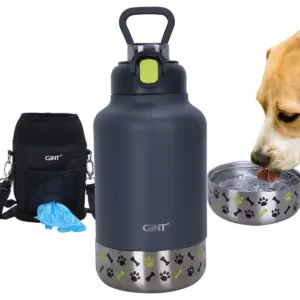 Water Bottles
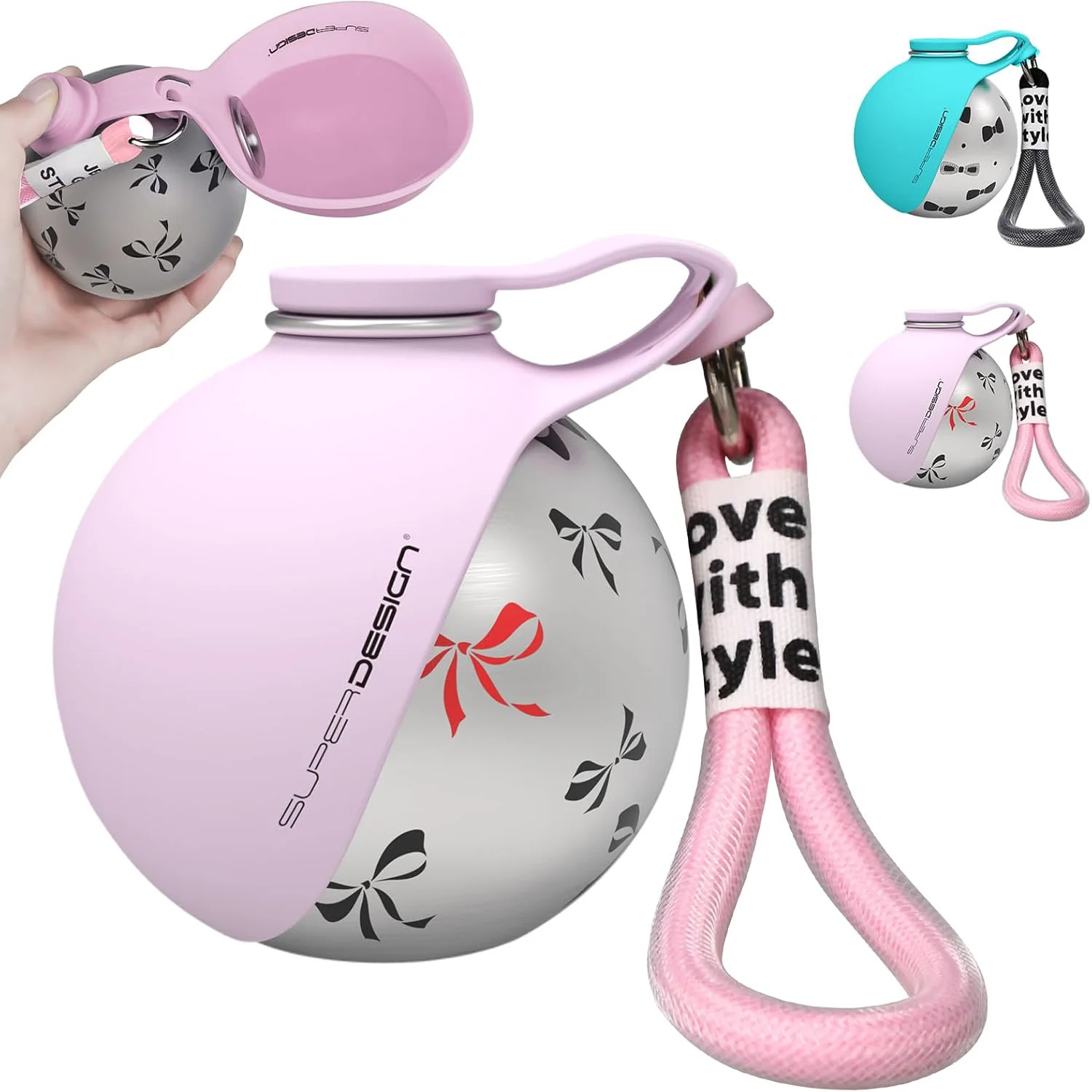
GiNT 37oz Insulated Stainless Steel Dog & Human Water Bottle
$29.80ClearBlueDark GrayGreenWhite -
-
 Water Bottles
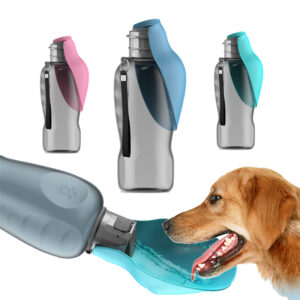
Dogs Water Bottle Portable
Price range: $23.64 through $26.42ClearPink leaf styleBlue Grey Leaf StyleGreen basicHulan Leaf stylePink BasicWhite Basic