Introduction
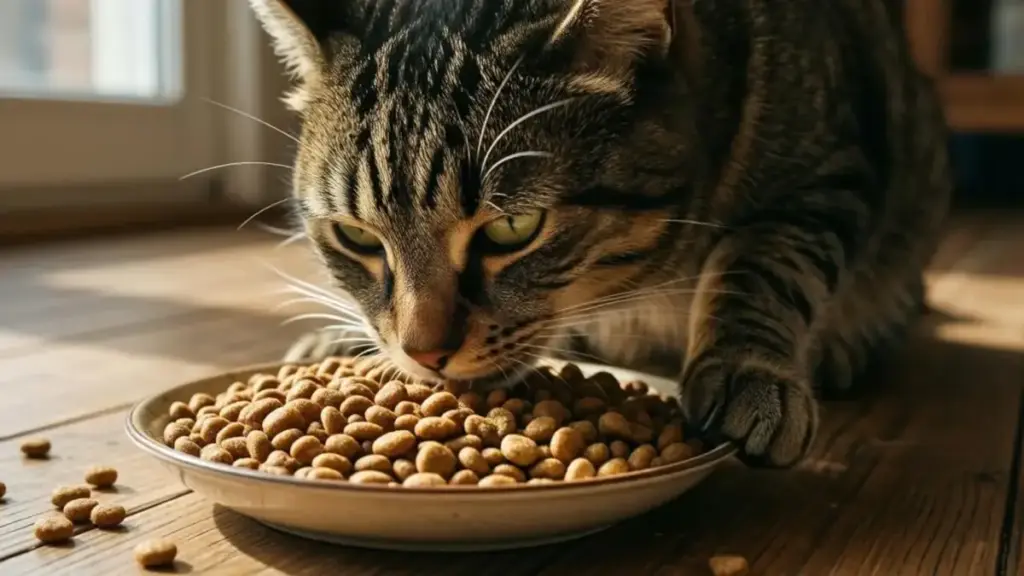
If you’ve ever watched your cat painstakingly scoop kibble out of their bowl only to eat it off the floor, you’ve probably asked yourself: What’s going on here?
You bought a nice bowl. You filled it with good food. And your cat treats it like a personal insult.
Here’s the thing: your cat isn’t being difficult on purpose. There’s actually science behind why some cats refuse to eat from certain bowls. And bowl depth? It’s a bigger deal than most people realize.
I’ve spent over 15 years working with cats and advising pet parents, and I can tell you this: bowl choice matters more than you think. Get it right, and mealtime becomes smooth sailing. Get it wrong, and you’re dealing with frustrated cats, wasted food, and a lot of cleanup.
In this guide, I’m breaking down everything you need to know about cat bowl depth—why most cats prefer shallow bowls, when deep bowls might work, and how to figure out what your specific cat wants.
No marketing fluff. No affiliate push. Just honest, science-backed advice.
Let’s dive in.
The Science Behind Cat Bowl Preferences
Whisker Fatigue: The Real Deal
Let’s start with the big one: whisker fatigue. You’ve probably seen this term thrown around, but what does it actually mean?
What Is Whisker Fatigue?
Your cat’s whiskers aren’t just cute facial hair. They’re highly sensitive sensory organs packed with nerve endings. Each whisker connects directly to your cat’s nervous system, sending constant information about their surroundings.
Why Deep Bowls Cause Problems:
When a cat eats from a deep or narrow bowl, their whiskers repeatedly touch the sides. This constant stimulation is like someone constantly poking your arm while you’re trying to eat. Over time, it becomes overwhelming and uncomfortable.
Signs Your Cat Might Have Whisker Fatigue:
| Symptom | What It Looks Like |
|---|---|
| Food scooping | Cat pulls food out of bowl to eat it |
| Incomplete meals | Cat walks away before finishing food |
| Pawing at food | Using paws to remove food from bowl |
| Mealtime anxiety | Hesitation or stress around eating |
| Face rubbing | Rubbing face after eating attempts |
The Bottom Line: For many cats, deep bowls literally hurt. It’s not preference—it’s physical discomfort.
Wild Instincts Still Matter
Your house cat might live in luxury, but their instincts haven’t forgotten their wild roots.
Natural Feeding Position:
In the wild, cats eat their prey on flat surfaces—ground, rocks, logs. Their heads stay relatively level, not buried deep in something.
Safety Concerns:
Wild cats are both predators and prey. When eating, they’re vulnerable. A deep bowl that limits their field of vision can trigger anxiety. They can’t see what’s coming while their head’s buried in food.
What This Means for Your Cat:
- Shallow, wide bowls mimic natural eating surfaces
- Open visibility reduces stress during meals
- Less head-lowering feels more natural and comfortable
Visual Factors
Cats don’t see the same way humans do. What seems obvious to us might be confusing to them.
The Bowl Bottom Problem:
Deep bowls create visual blind spots. Your cat might not be able to see how much food is left at the bottom, which can be frustrating or concerning for them.
Color Contrast:
Light-colored food in a light-colored bowl (or dark in dark) makes it harder for cats to see their meal. Many cats prefer bowls that contrast with their food color.
What Works Best:
- White or light bowls for dark kibble
- Darker bowls for light-colored wet food
- Shallow depth so all food is visible at once
Deep Bowls vs. Shallow Bowls: Head-to-Head Comparison
Shallow Bowl Advantages
| Benefit | Why It Matters |
|---|---|
| Less whisker contact | Reduces or eliminates whisker fatigue |
| Better visibility | Cat sees all food at once, feels more secure |
| Natural eating position | Less head-lowering, more comfortable |
| Easier to clean | No deep corners for food to hide in |
| Great for wet food | Easy to lick, no digging required |
Best For: Most cats, especially those showing feeding behavior issues
Deep Bowl Advantages
| Benefit | Why It Matters |
|---|---|
| Larger capacity | Holds more food for big eaters or multiple meals |
| Contains spills | Dry kibble less likely to get pushed out |
| Better insulation | Food stays warm slightly longer |
| Works for some cats | Cats without whisker sensitivity issues |
Best For: Specific situations, cats with no feeding issues
Deep Bowl Disadvantages
Let’s be honest about the downsides:
- Whiskers constantly touch bowl edges
- Requires more head-lowering (neck strain over time)
- Hard to see remaining food
- More difficult to clean thoroughly
- Can cause feeding anxiety in sensitive cats
Shallow Bowl Disadvantages
Shallow bowls aren’t perfect either:
- Food easier to push out onto floor
- Smaller capacity means more refills
- Less insulation (food cools faster)
- May need non-slip base to prevent sliding
My Take: For most cats, shallow bowl benefits far outweigh the drawbacks. The food spill issue is manageable with the right placement and bowl design.
When Might Cats Prefer Deep Bowls?
Not every cat fits the standard mold. Here’s when deep bowls might actually work.
Individual Differences
Some Cats Just Don’t Mind:
Believe it or not, not all cats experience whisker fatigue equally. Some have less sensitive whiskers or simply don’t care about the contact.
How to Tell:
- Cat eats consistently from deep bowl
- No food scooping behavior
- Finishes meals without hesitation
- No signs of mealtime stress
If It Ain’t Broke:
If your cat happily eats from a deep bowl with no issues, don’t fix what isn’t broken. Bowl depth matters most when there are feeding problems.
Special Dietary Needs
Liquid or Semi-Liquid Food:
Some cats need broth, gravy, or very wet food for medical reasons. Deeper bowls contain liquids better than shallow ones.
Medication Mixed with Food:
When meds need to be hidden in food, deeper bowls can help ensure the cat consumes everything.
Temperature-Sensitive Food:
Some cats prefer warm food. Deeper bowls retain heat slightly better than shallow ones.
Environmental Factors
Multi-Cat Households:
Deeper bowls can make it harder for one cat to quickly steal another’s food. The extra depth adds a small barrier.
Homes with Dogs:
If you’ve got a food-stealing dog, deeper cat bowls (placed strategically) can make unauthorized snacking more difficult.
Outdoor or Semi-Outdoor Feeding:
Wind, debris, and pests are less likely to contaminate food in deeper bowls for outdoor feeding situations.
Other Bowl Factors That Matter
Depth isn’t the only thing affecting your cat’s dining experience.
Bowl Width
Wide Is Better:
A wide opening ensures whiskers don’t touch the sides even if the bowl has some depth.
Recommended Diameter: 6-8 inches (15-20 cm) minimum
The Whisker Test:
Your cat’s whiskers should never touch the bowl edges while eating. If they do, the bowl is too narrow.
Bowl Material
Not all materials are created equal. Here’s what you need to know:
| Material | Pros | Cons | Rating |
|---|---|---|---|
| Ceramic | Stable, easy to clean, looks nice | Can break, heavier | ⭐⭐⭐⭐⭐ |
| Stainless Steel | Durable, hygienic, lightweight | Can slide, makes noise | ⭐⭐⭐⭐ |
| Glass | Very hygienic, attractive, easy to clean | Breakable, heavy | ⭐⭐⭐⭐ |
| Plastic | Cheap, lightweight | Scratches easily, harbors bacteria | ⭐⭐ |
Why Plastic Ranks Low:
Plastic bowls develop micro-scratches over time. These scratches harbor bacteria that can cause acne, infections, and make food taste off to your cat. Many cats also dislike the smell plastic can retain.
My Recommendation: Ceramic or stainless steel for most households. Glass is great if you’re careful with breakage.
Bowl Height
Ground Level (Traditional):
- Natural for most cats
- No special equipment needed
- May cause neck strain in older cats
Elevated Bowls:
- Reduces neck and joint strain
- Better for senior cats or those with arthritis
- May help with digestion
- Takes up more space
Tilted Bowls:
- Angled surface improves eating angle
- Reduces neck strain
- Food naturally slides toward cat
- Good for flat-faced breeds
Who Needs Elevated Bowls:
- Senior cats (7+ years)
- Cats with arthritis or joint issues
- Cats with neck or spine problems
- Very large cats
Bowl Shape
Round: Most common, works for most cats
Oval: Better for long-faced breeds (Siamese, Oriental)
Square: Fits well in corners, space-efficient
Divided: Good for multiple food types or multi-cat feeding
Butterfly/Wide: Specifically designed to minimize whisker contact
How to Tell What Your Cat Prefers
Your cat can’t tell you what they want. But they can show you.
Watch Their Eating Behavior
| Behavior | What It Likely Means |
|---|---|
| Scoops food out | Bowl too deep or narrow |
| Leaves food behind | Whisker fatigue or discomfort |
| Uses paws to eat | Can’t reach food comfortably |
| Seems anxious at meals | Bowl causing stress |
| Eats cleanly from bowl | Bowl is working well |
The Two-Bowl Test
Want to know for sure? Try this:
Step 1: Set out two bowls side by side
- One deep/narrow
- One shallow/wide
Step 2: Put equal food in both
Step 3: Let your cat choose (don’t guide them)
Step 4: Observe which bowl they use consistently
Step 5: Track over 1-2 weeks for patterns
What to Record:
- Which bowl gets used more
- How quickly food disappears from each
- Any behavioral differences between bowls
- Amount of food left in each bowl
Checking for Whisker Fatigue
Visual Check:
Watch your cat eat. Do their whiskers touch the bowl? If yes, that’s a problem waiting to happen.
Behavioral Check:
After eating, does your cat rub their face excessively? This can indicate whisker discomfort.
Pattern Check:
Does your cat consistently leave food in certain bowls but clean others? Bowl shape is likely the difference.
When to Call the Vet:
If you notice sudden changes in eating behavior, consult your vet. Whisker fatigue is one possibility, but dental issues, illness, or other problems could also be at play.
Bowl Recommendations by Cat Type
Not all cats have the same needs. Here’s how to match bowls to your specific cat.
By Age
| Age Group | Recommended Bowl | Why |
|---|---|---|
| Kittens | Small, shallow | Easy access for small faces, less intimidating |
| Adult Cats | Wide, shallow | Minimizes whisker fatigue, comfortable |
| Senior Cats | Shallow + elevated | Reduces neck and joint strain |
By Face Shape
| Face Type | Recommended Bowl | Why |
|---|---|---|
| Round Face (British Shorthair, etc.) | Extra-wide shallow | Accommodates broader face structure |
| Long Face (Siamese, Oriental, etc.) | Oval shallow | Matches natural mouth position |
| Flat Face (Persian, Exotic, etc.) | Tilted shallow | Easier to access food with flat profile |
By Eating Habits
| Habit | Recommended Bowl | Why |
|---|---|---|
| Fast Eater | Shallow + slow-feed design | Slows down eating, prevents gulping |
| Food Scooper | Very wide, very shallow | Removes reason to scoop |
| Wet Food Cat | Flat, plate-style | Easy to lick, no digging needed |
| Dry Food Cat | Shallow or medium depth | Contains kibble without whisker issues |
Multi-Cat Household Tips
If you’ve got more than one cat, bowl strategy gets more complex:
Must-Do’s:
- One bowl per cat (minimum)
- Separate feeding locations if possible
- Don’t let cats share bowls (hygiene + monitoring)
- Watch for food stealing or guarding behavior
Nice-to-Have’s:
- Different colored bowls for easy identification
- Slightly different locations to reduce tension
- Cameras to monitor feeding if you’re away
- Individual bowl preferences respected
Watch For:
- One cat dominating all food sources
- Shy cats not getting enough to eat
- Changes in individual cat’s eating patterns
- Signs of stress during group feeding times
Frequently Asked Questions
Q: Why does my cat pull food out of the bowl to eat it?
A: This is the classic sign of bowl discomfort. Usually means the bowl is too deep, too narrow, or both. Your cat’s whiskers are touching the sides, and they’re removing food to eat comfortably. Switch to a wider, shallower bowl and watch the behavior change.
Q: What exactly is whisker fatigue?
A: Whisker fatigue is overstimulation of the sensitive nerves in your cat’s whiskers. When whiskers repeatedly touch bowl sides during eating, it becomes uncomfortable or even painful. Symptoms include food scooping, incomplete meals, and mealtime anxiety.
Q: Does bowl material really affect eating?
A: Yes. Plastic bowls can retain odors and harbor bacteria in scratches, which many cats find off-putting. Some cats also develop chin acne from plastic. Ceramic and stainless steel are more hygienic and don’t retain smells.
Q: Are elevated bowls worth it?
A: For senior cats, cats with arthritis, or large breeds, yes. Elevated bowls reduce neck strain and can improve digestion. For young, healthy cats, it’s less critical but still comfortable. Think of it as an investment in long-term joint health.
Q: How do I choose the right bowl size?
A: Width matters more than depth. Look for bowls at least 6 inches (15 cm) in diameter. Your cat’s whiskers should never touch the edges while eating. When in doubt, go wider.
Q: My cat suddenly stopped using their usual bowl. What changed?
A: Could be the bowl (crack, residue, smell), could be your cat (dental issue, illness, stress). First, try a different bowl. If behavior continues, see your vet to rule out health problems.
Q: Can I use one bowl for both food and water?
A: Not recommended. Cats instinctively prefer water sources separate from food (in the wild, food near water could mean contamination). Plus, you can’t monitor food and water intake separately. Use separate bowls in different locations.
Q: How often should I replace my cat’s bowls?
A: Inspect regularly. Replace if you see cracks, deep scratches, chips, or discoloration that won’t clean. Even with good care, plan on replacing bowls every 1-2 years. Plastic bowls need more frequent replacement than ceramic or steel.
Q: Are automatic feeder bowls the right depth?
A: Varies by model. Many automatic feeders have bowls that are too deep or narrow. Check your specific model. If your cat shows discomfort, you can often add a separate shallow dish to catch the dispensed food.
Q: Won’t shallow bowls make a huge mess?
A: They can, but it’s manageable. Use a feeding mat underneath, place bowls in easy-clean areas, and consider bowls with slight lips or edges. The trade-off is worth it for comfortable eating. A little kibble on the floor beats a cat who won’t eat.
Choosing the Right Bowl: What to Look For
Ideal Cat Bowl Features
Depth: No more than 2 inches (5 cm)
Width: 6-8 inches (15-20 cm) minimum diameter
Material: Ceramic or stainless steel preferred
Base: Non-slip bottom or use with mat
Edges: Smooth, no sharp points or rough spots
Weight: Heavy enough not to slide during eating
Special Designs Worth Considering
| Design | Best For | What It Does |
|---|---|---|
| 15° Tilted Bowl | Senior cats, neck issues | Reduces neck strain, improves angle |
| Butterfly Bowl | Whisker-sensitive cats | Maximizes width, minimizes contact |
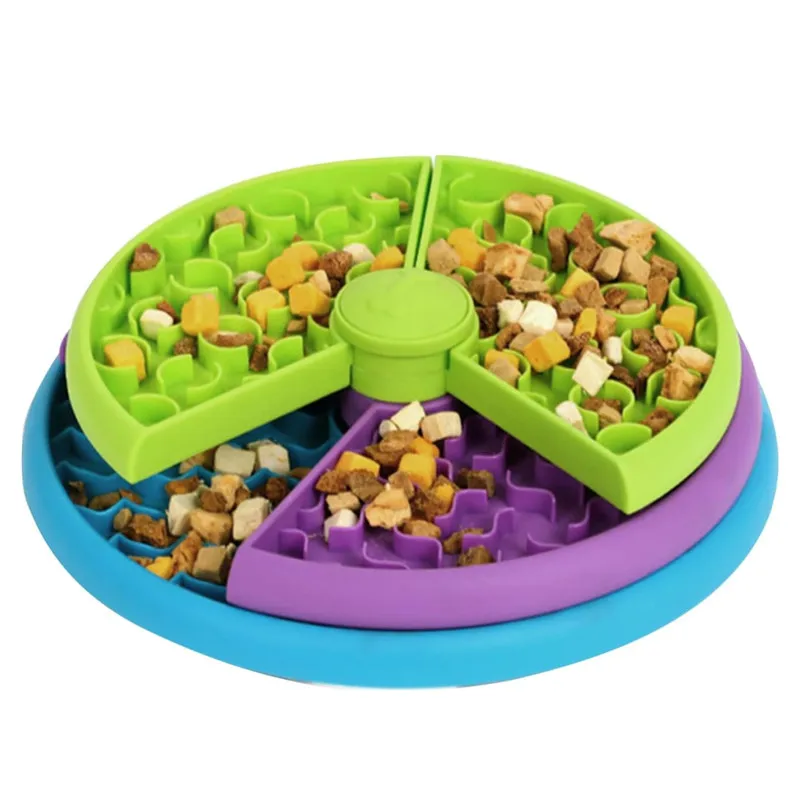
| Slow-Feed Bowl | Fast eaters, gulpers | Built-in obstacles slow eating |
| Adjustable Height | Growing kittens, aging cats | Adapts as needs change |
Products to Avoid
Steer clear of these:
- ❌ Deep, narrow bowls (whisker fatigue waiting to happen)
- ❌ Plastic material (bacteria, odors, acne risk)
- ❌ Sharp or rough edges (mouth injury risk)
- ❌ Tiny bowls made for children or other pets
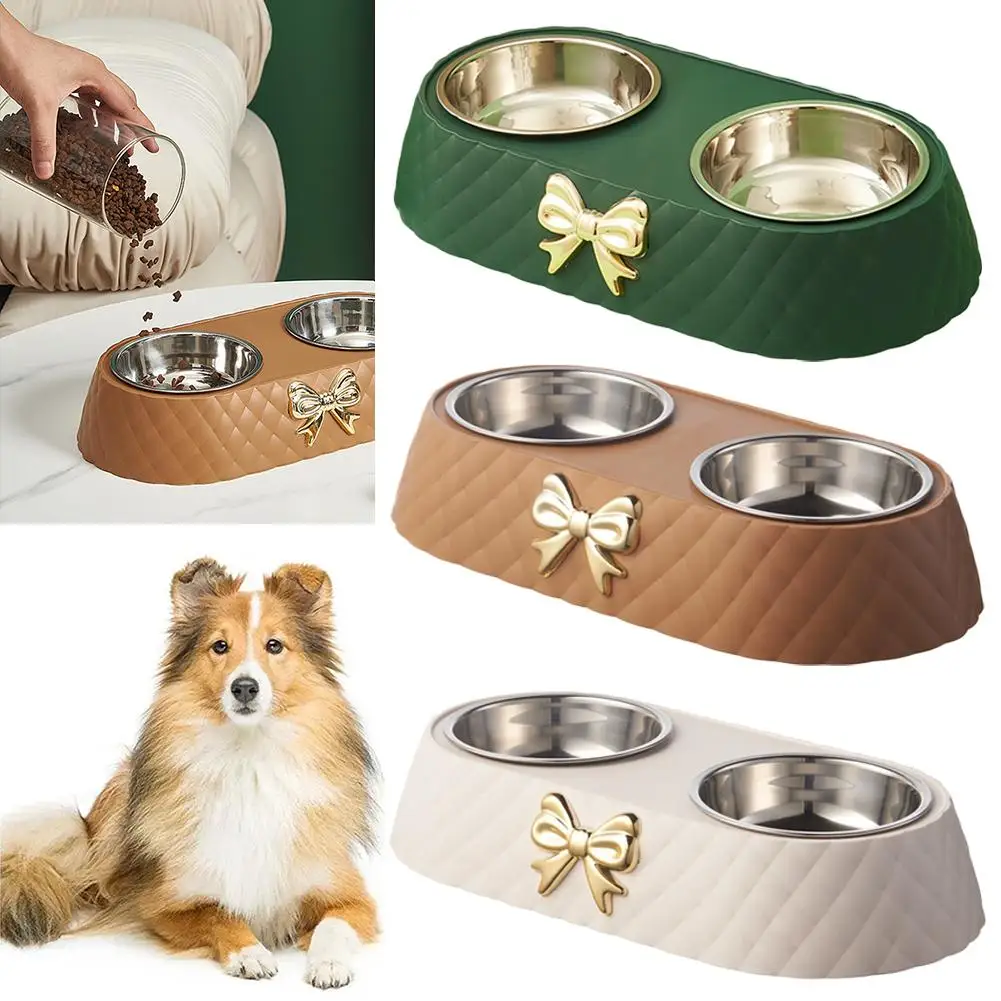
- ❌ Overly decorative bowls (hard to clean, potential toxins)
Quick Shopping Checklist
Before you buy, ask:
- Is the bowl wide enough for my cat’s whiskers?
- Is it shallow enough for comfortable eating?
- Is the material safe and easy to clean?
- Does it have a non-slip base?
- Are there any sharp edges or rough spots?
- Is it dishwasher safe (if that matters to you)?
- Does it fit my feeding setup and space?
The Bottom Line
After 15 years of working with cats, here’s what I know for sure:
Most cats prefer shallow, wide bowls. It’s not a trend—it’s biology. Their whiskers, their instincts, and their comfort all point in the same direction.
But here’s the thing: Your individual cat matters more than general rules. Some cats genuinely don’t care about bowl depth. Others are incredibly particular. The key is paying attention to what your cat tells you.
What Actually Matters:
- Watch your cat eat — Behavior tells you more than any product description
- Prioritize comfort — A slightly messier floor beats a cat who won’t eat
- Invest in quality — Good bowls last longer and are safer
- Be willing to change — What works now might not work as your cat ages
- Trust your instincts — You know your cat better than anyone
My Honest Recommendation:
Start with a wide, shallow ceramic or stainless steel bowl. It’s the safest bet for most cats. If your cat shows any discomfort, adjust from there. For senior cats, add elevation. For fast eaters, consider slow-feed designs.
And please, skip the plastic. Your cat’s health isn’t worth saving a few dollars.
Remember: Mealtime should be pleasant for your cat, not stressful. The right bowl is a small investment that pays off every single day, for every single meal.
Your cat can’t ask for what they need. But now you know how to listen.
Disclaimer: This article provides general information based on current feline care best practices. It does not replace professional veterinary advice. Always consult your veterinarian regarding your individual cat’s health and feeding needs, especially if you notice sudden changes in eating behavior.
About This Guide: This resource was developed based on veterinary research, feline behavior studies, and practical experience with cat care management. For personalized recommendations, please consult with your veterinary care provider.